
Mediterranean diet.
Full of flavour.
Made lower carb.

Think colourful vegetables, olive oil, fish and food worth sitting down for. Build satisfying meals with less pasta, less starch and more of the Mediterranean ingredients you love.

A practical place to begin. Our course is Coming Soon.

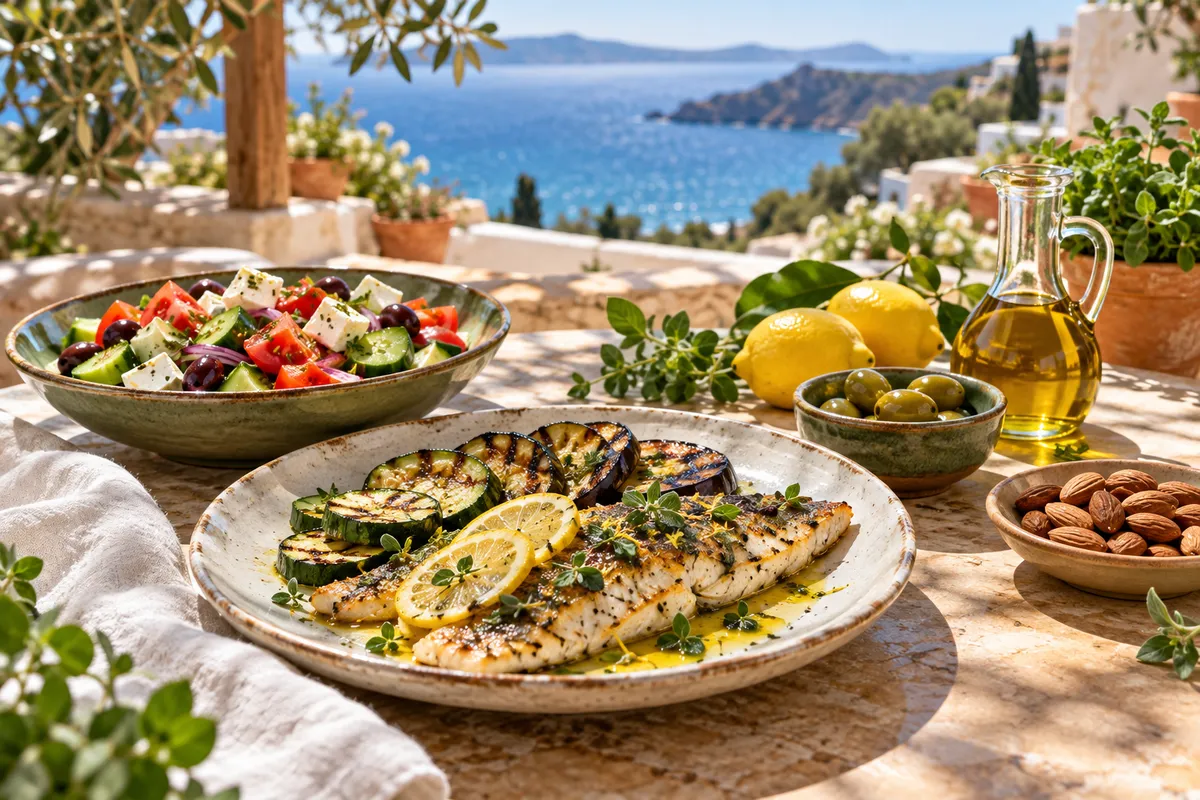
Illustrative Mediterranean table with grilled fish, vegetables, Greek salad, olives and olive oil
Olive oil. Fresh food. Plenty of flavour.
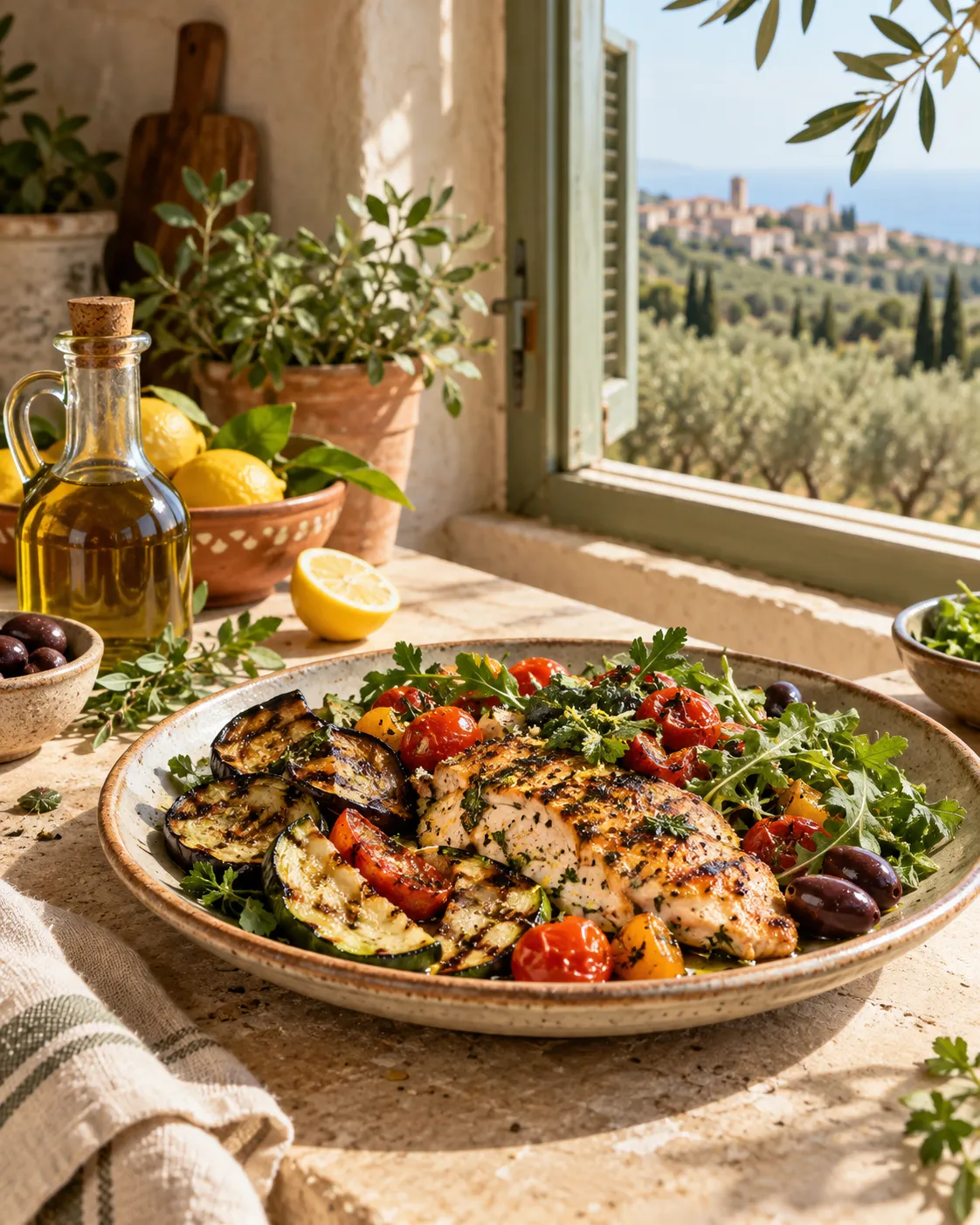
Illustrative Mediterranean meal of lemon chicken, roasted vegetables, olives and fresh herbs in a sunlit kitchen

There’s more to the Med
than a bowl of pasta.

Keep the flavour. Rethink what fills the plate.

A Mediterranean way of eating starts with ingredients: vegetables, olive oil, fish, nuts, herbs and pulses. It’s also about cooking simply and making time for a meal.

Our take is lower in starchy carbohydrates. Pasta, rice, bread and potatoes become an occasional small extra, rather than the foundation of every meal. Vegetables and a satisfying protein source do more of the work.

Understand the approach
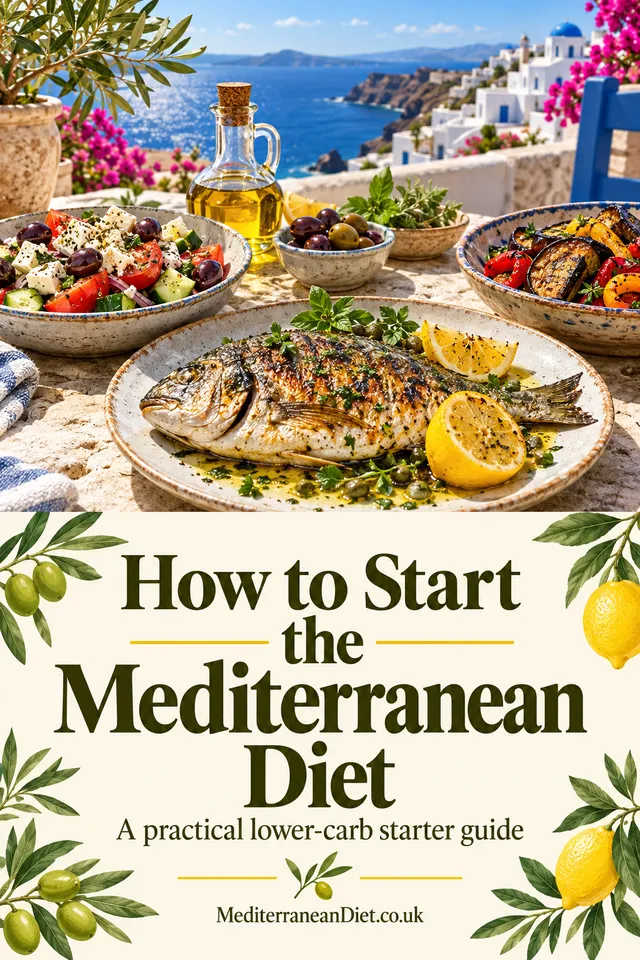
The free starter guide · Illustrated ebook preview

Free ebook

Put a lower-carb Mediterranean diet on your plate. Start with our practical guide to a week of fresh food, full flavour and simple swaps.

  • A flexible seven-day menu with everyday UK ingredients.
  • Simple swaps for pasta, rice, bread and potatoes.
  • A Mediterranean shopping list.
  • Five easy meal ideas to get you started.

Small swaps.
Food you look
forward to.

Start with your usual meals. Change the balance, without losing the pleasure.

A courgette-rich sauce with a little pasta. Lemon chicken with roasted peppers instead of a mound of rice. A Greek-style salad with eggs or fish for lunch.

You don’t need expensive “diet” products or a rigid rulebook. Choose one meal, keep the ingredients you enjoy, and try a smaller portion of starch alongside more vegetables.

More vegetables. A little olive oil. A proper meal.

Try the everyday swaps
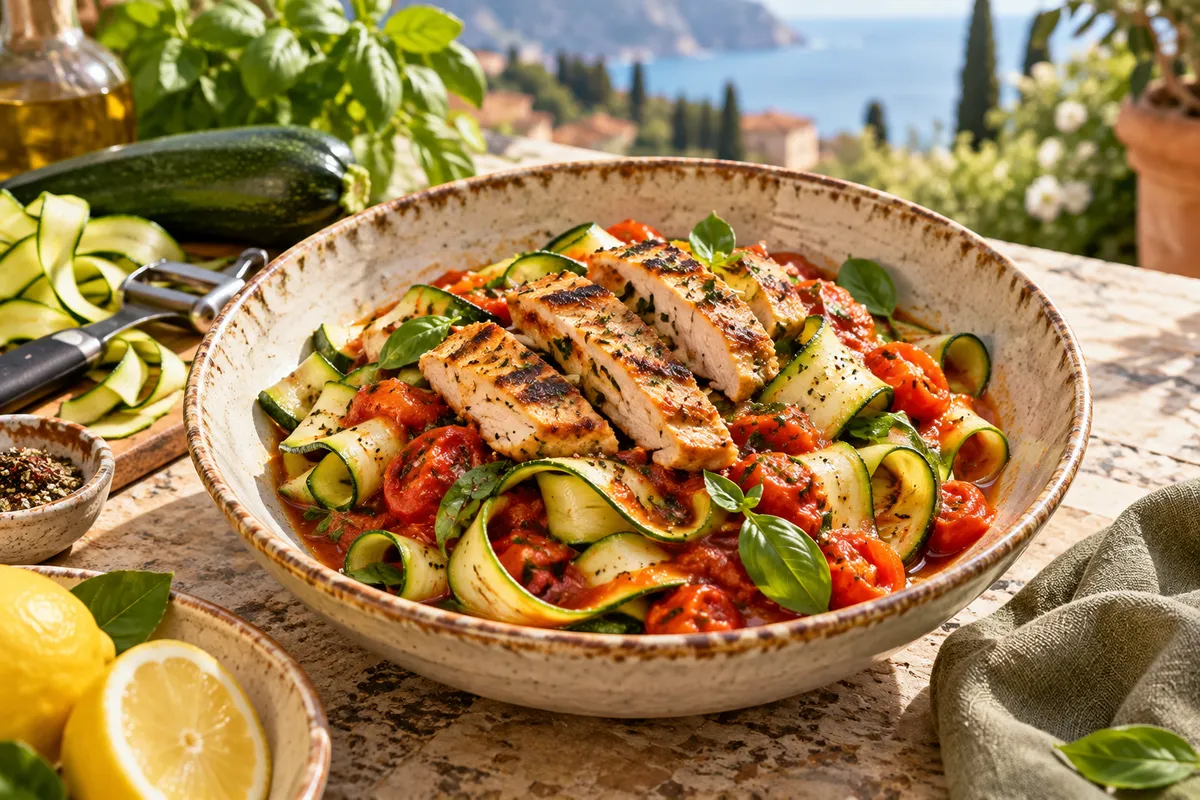
Illustrative lower-carb Mediterranean meal with courgette ribbons, tomato sauce, basil and grilled chicken

Learn the approach.
Make it your own.

Explore lower-carb Mediterranean meals, simple swaps and everyday meal planning.

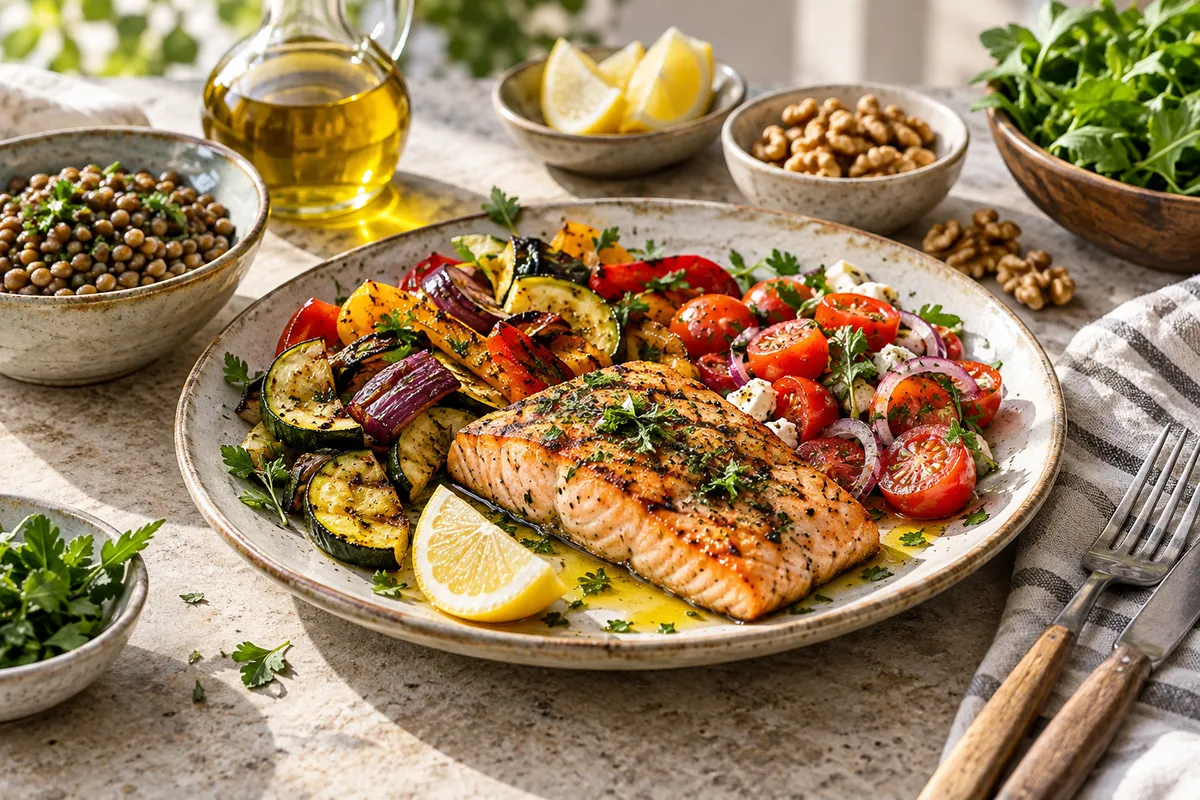
Illustrative Mediterranean meal with salmon, vegetables, lentils, walnuts and olive oil
Mediterranean diet introductionVideo coming soonWe’re preparing this introduction. Check back soon.

Our paid course is also in preparation. The price will be £47, including the £27 ebook. No confirmed launch date. No payments are being taken.

Explore the planned course

Mediterranean guidebooks & courses.

Go further with practical food guides and online learning.

Paid ebook

Mediterranean Diet
Guidebook

A more detailed guidebook is planned to help you explore lower-carb Mediterranean meals, ingredients and everyday food choices.

This will be a paid ebook, separate from our free starter guide. Its final contents and release date are still to be confirmed.
Online learning

Mediterranean Diet
Online Video Course

A paid online course is in preparation, with practical learning about Mediterranean ingredients, meal planning and routines that fit everyday life.

The course is not available yet. Its final content and launch date have not been confirmed.

Includes the £27 ebook.

Explore the Guides

Both products are in preparation. No orders or payments are being taken.

Build your plate.

Four useful places to focus.

Good questions.
Clear answers.

Practical guidance before you start.

Is the Mediterranean diet all pasta and bread?

No. Mediterranean eating has a much wider food culture: vegetables, olive oil, fish, pulses, nuts, herbs and meals enjoyed together. Traditional versions also include grains. Our approach makes pasta, bread and other starchy foods a smaller part of the plate.

What does lower carb mean here?

It means relying less on pasta, bread, rice and potatoes, and building meals around non-starchy vegetables, a protein source and olive oil. We do not prescribe a fixed daily carbohydrate target or require ketosis. Fruit, plain yoghurt and modest portions of pulses can still fit.

Do I have to give up every carbohydrate?

No. Vegetables, berries, beans and yoghurt contain carbohydrate too. We focus on portions and food quality, rather than treating all carbohydrate foods as interchangeable.

Can I follow this without eating fish?

Yes. Eggs, poultry, tofu, plain yoghurt and modest portions of beans or lentils offer alternatives, depending on your preferences. Plan enough protein and variety; a dietitian can help if your diet is restricted.

Is the course available?

Not yet. A paid course is planned, but it is still in preparation. The price will be £47, including the £27 ebook. There is no confirmed launch date, and we are not accepting payments.

Should I change my medication?

No. If you take insulin or other diabetes medicines, reducing carbohydrate can change your medication needs. Speak with your healthcare team before making a substantial change. Never adjust medication based on this website.

Food, ideas
& useful reading.

All articles

Six benefits of the
Mediterranean diet.

  • Weight-management support

    Vegetable-rich meals and sensible portions can support weight loss and help maintain a healthy weight.

  • Heart health

    Vegetables, olive oil, nuts and fish form a Mediterranean eating pattern that can support cardiovascular health.

  • Blood sugar support

    Mediterranean eating may help improve blood sugar levels in people with type 2 diabetes, alongside appropriate care.

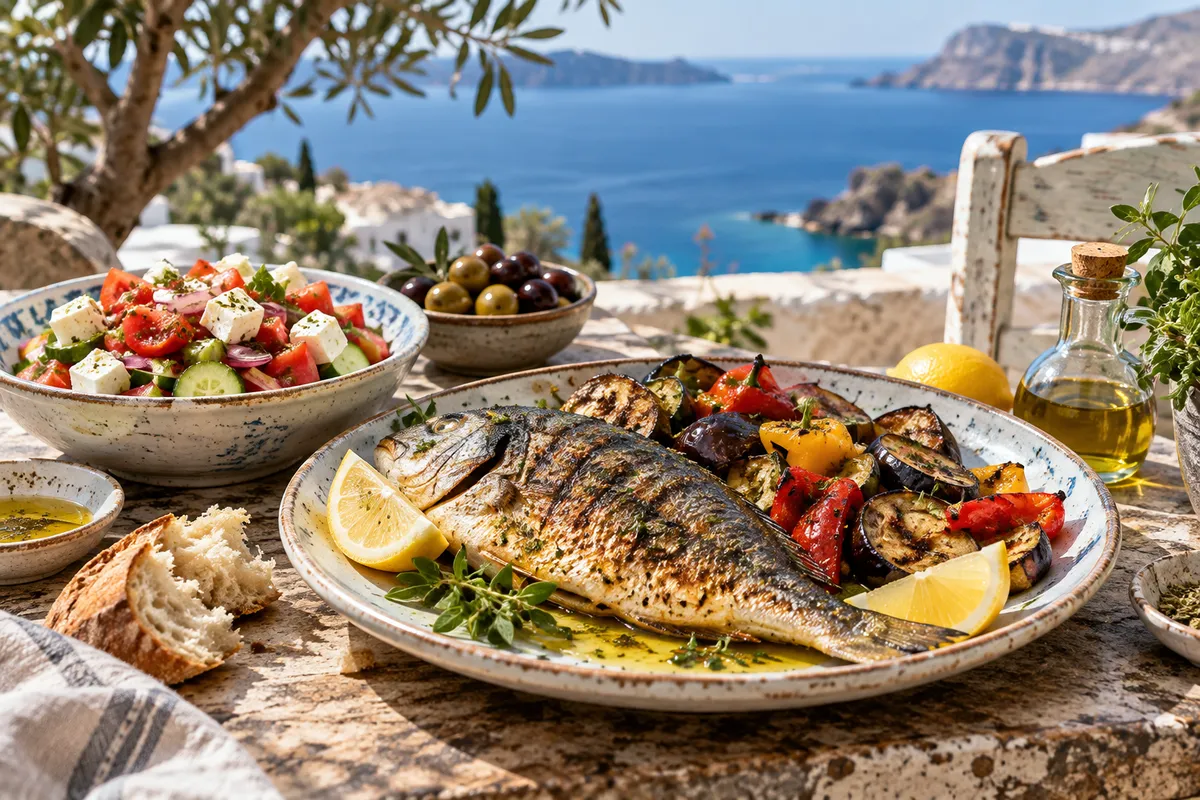
Illustrative Mediterranean meal with grilled fish, roasted vegetables, Greek salad, olives and olive oil
  • Fibre for digestion

    Vegetables, nuts, seeds and modest portions of pulses provide fibre that supports normal digestion.

  • Nutrient-rich food

    A varied mix of colourful vegetables, fish, nuts and other whole foods supplies vitamins, minerals and useful nutrients.

  • More satisfying meals

    Vegetables and a protein source can help you feel fuller, making balanced meals more satisfying.